All photographs below are general illustrative contexts. They do not depict verified vanadium materials, flow batteries or alliance projects.
04.1 / Evidence question
Define the connection boundary
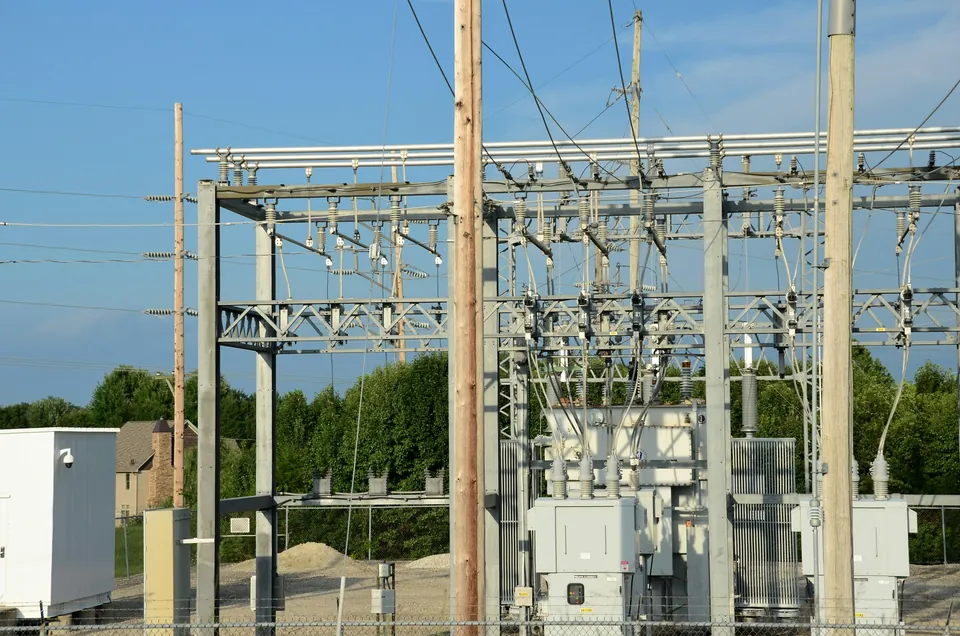
A proposed connection needs a clearly defined point, voltage and operating requirements. The pictured substation illustrates equipment context; it is not an available site or evidence of spare network capacity.
Request: connection point, voltage and a study from the relevant network operator.
16A storage proposal still needs a credible grid connection.Illustrative substation only. No storage equipment, grid capacity, network ownership, project location or alliance relationship is established. Not a site-access guide.Roger Starnes Sr / Unsplash (opens a new tab)
04.2 / Evidence question
Separate hardware from chemistry
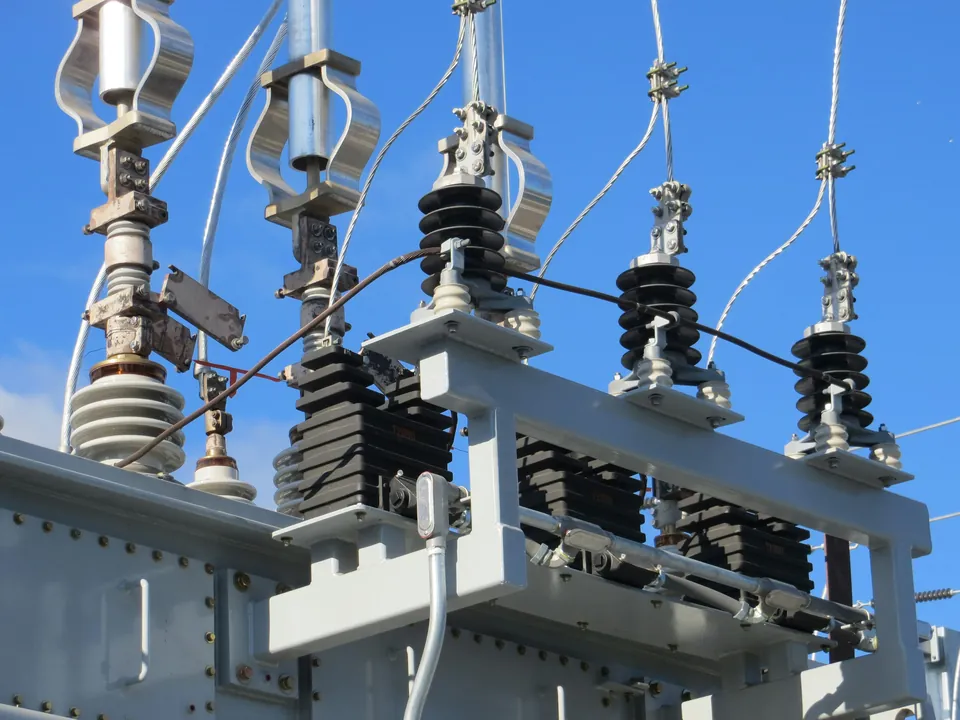
Insulators and conductors are electrical-interface hardware, not a storage chemistry. Connection requirements cannot be inferred from a battery’s name, nor can battery performance be inferred from this equipment.
Request: protection, controls, metering and applicable interface requirements.
17Connection hardware is not a storage chemistry.Electrical equipment, not a battery. The photographer attribution to American Public Power Association does not mean that organization endorses or belongs to this concept. No voltage or operating status is verified.American Public Power Association / Unsplash (opens a new tab)
04.3 / Evidence question
Understand the wider network
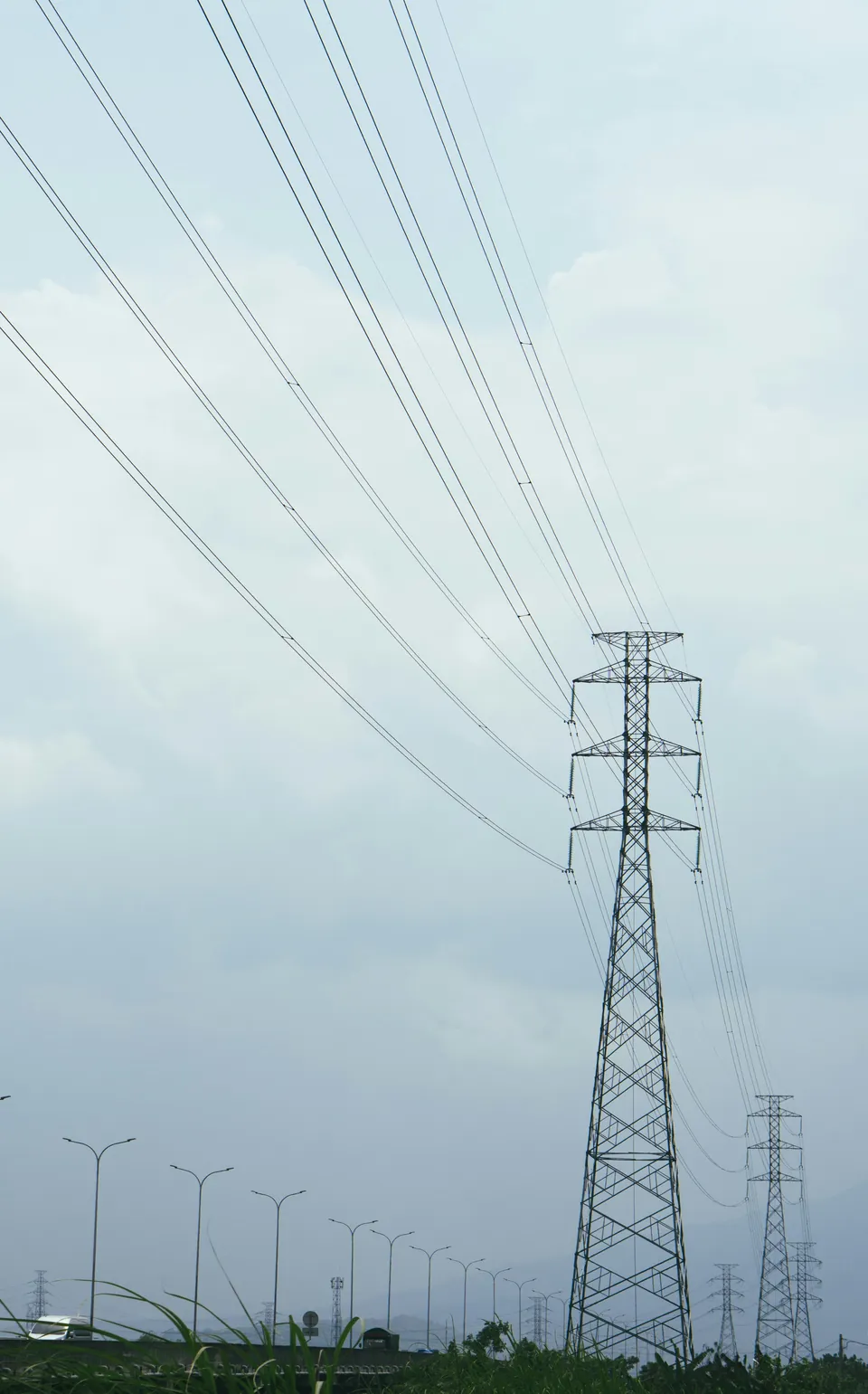
Transmission connects distant parts of an electricity system. Congestion, network limits and connection options require studies of a particular network, not visual interpretation of towers.
Request: network studies, operating limits and the relevant time horizon.
18Transmission is part of the system context.General transmission infrastructure. No specific network constraints, grid capacity, generation source or project connection is known.Inzulators Photowork Projects / Unsplash (opens a new tab)
04.4 / Evidence question
Look at the local context
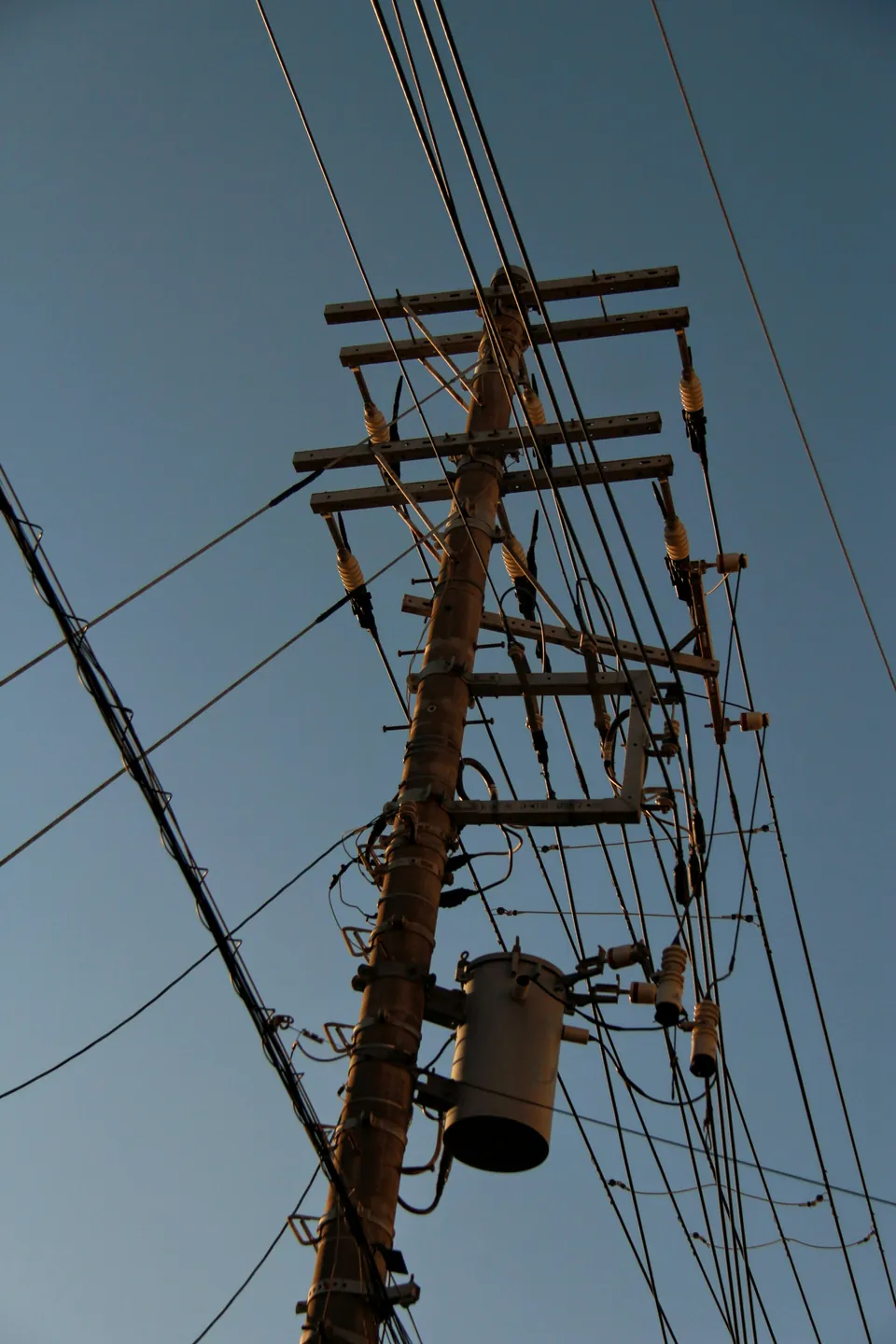
Distribution questions depend on loads, voltage limits and protection arrangements. A generic pole-mounted transformer does not identify the community served or capacity available to a proposed installation.
Request: local load data and a verified distribution connection assessment.
19Distribution has different questions from bulk transmission.Generic distribution hardware. Do not claim a supplied community, customer, capacity, battery chemistry, network operator or validated connection.Dylan Frank / Unsplash (opens a new tab)
04.5 / Evidence question
Include terrain and access
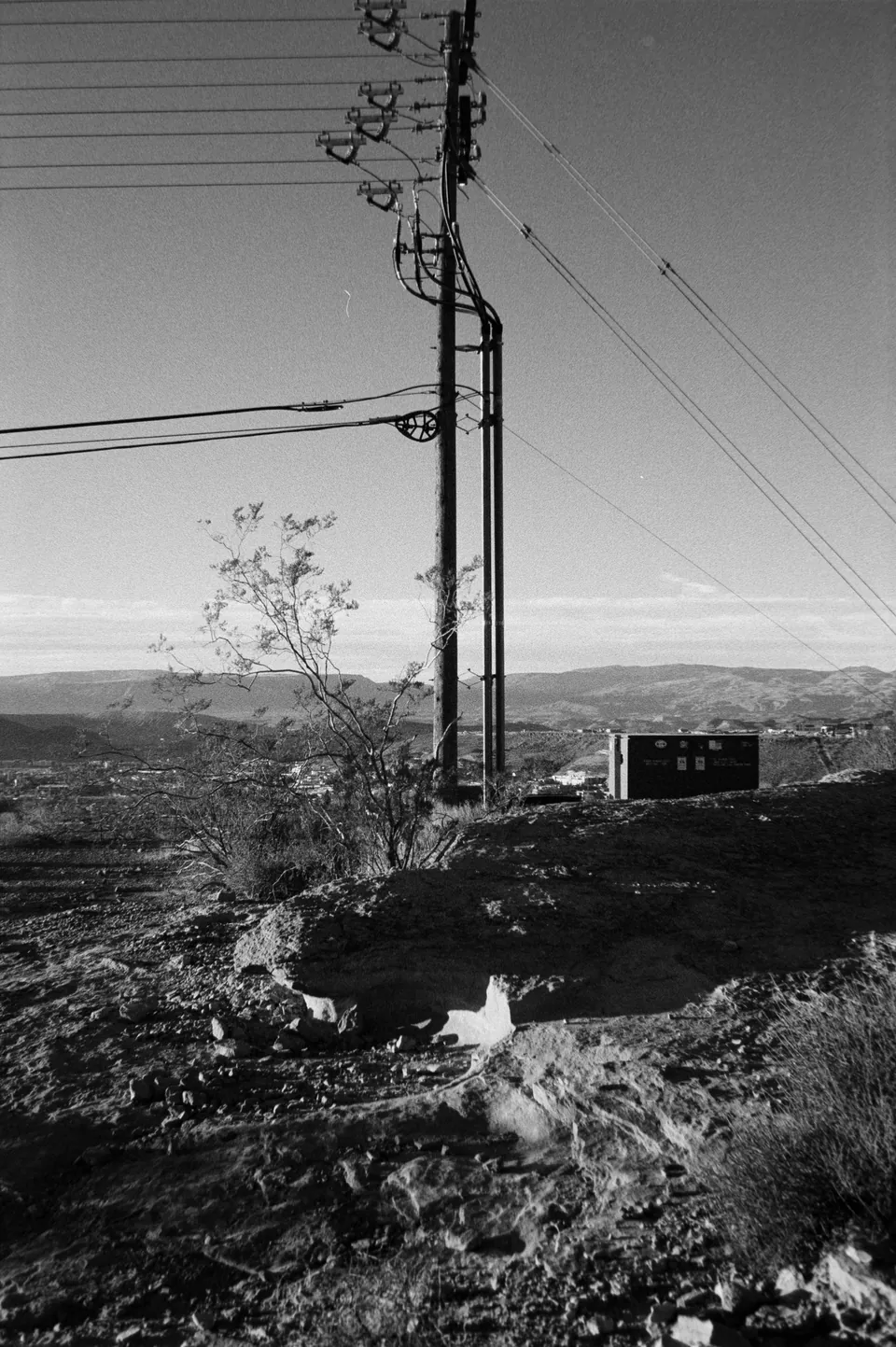
Geography influences the questions an assessor must ask about construction and maintenance. Some wires in this image may be communications lines. No project route or electrical function is claimed.
Request: surveyed access, site constraints and verified infrastructure records.
20Geography belongs in the energy-system brief.Illustrative utility infrastructure. It may include communications lines. Do not treat all visible cables as electrical transmission or identify a specific project, chemistry or network.Spencer Plouzek / Unsplash (opens a new tab)
Take the question forward
Make the unknowns visible.
A useful brief distinguishes facts, assumptions and evidence that still needs to be gathered. The local worksheet provides a starting structure, not a technical approval.