A useful materials conversation begins with composition, origin and specification. A mineral photograph can start a question. It cannot answer an assay.
01What material is it?02Where did it come from?03Which specification applies?
Grounding the discussion
Vanadium is a transition metal, symbol V and atomic number 23. Its uses include steel alloys; neither a rock’s appearance nor a metal surface establishes its vanadium content.
All photographs below are general illustrative contexts. They do not depict verified vanadium materials, flow batteries or alliance projects.
01.1 / Evidence question
Identity before appearance
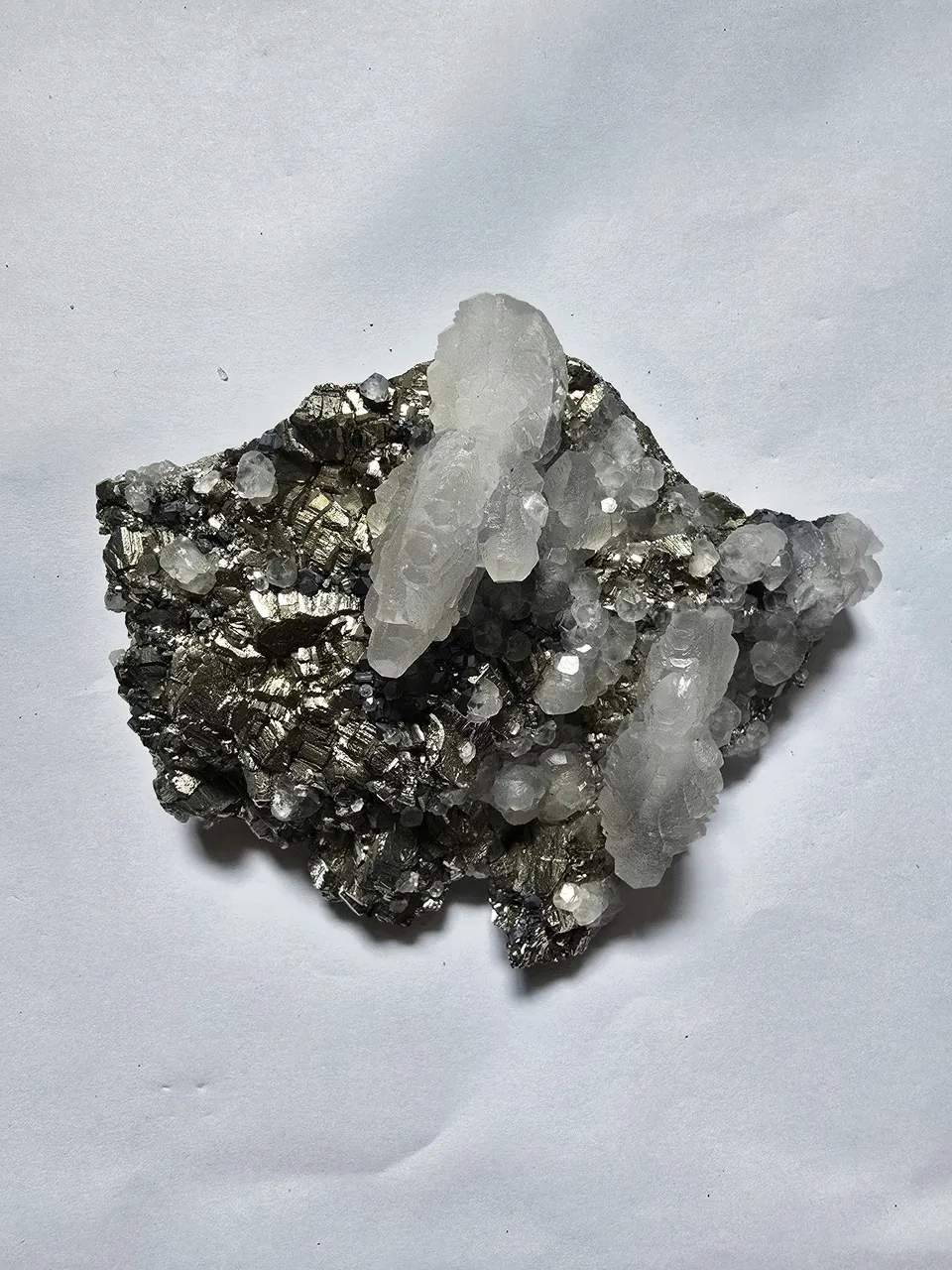
A specimen can show texture and crystal form. A compositional claim needs a representative sample, an appropriate analytical method and a report tied to that sample. The pictured specimen is general quartz/mineral context, not identified vanadium ore.
Request: sample identifier, sampling method and analytical report.
01Visual identification starts with a question, not an assay result.The source describes quartz on a mineral matrix. This is not identified as vanadium ore. Do not infer composition, grade, recoverability or commercial value from appearance.Albert Hyseni / Unsplash (opens a new tab)
01.2 / Evidence question
A sample is not a supply chain
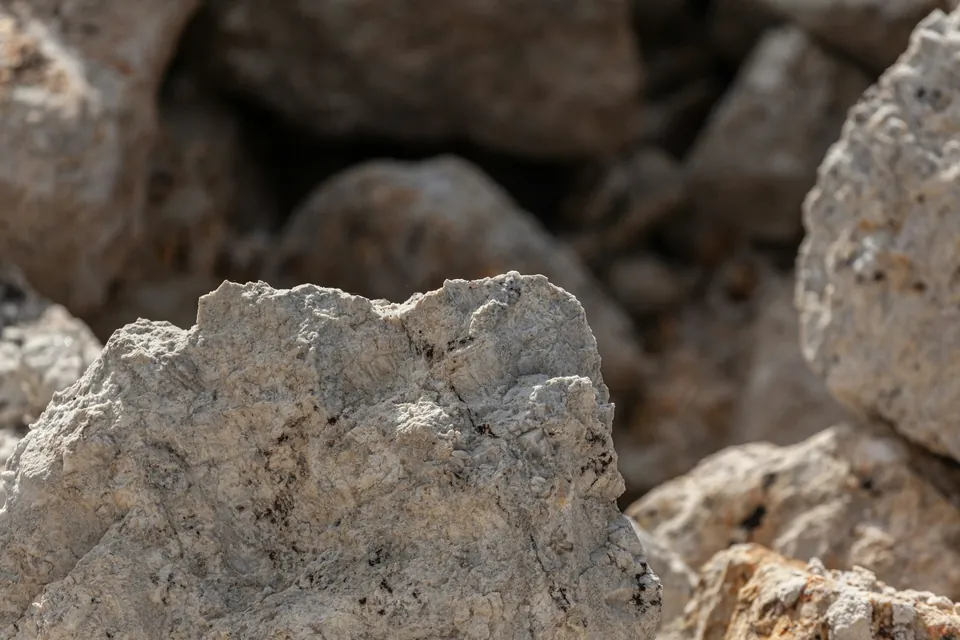
The foreground rock is source-described feldspar context. Before discussing any candidate feedstock, distinguish a laboratory sample from a representative resource, a supplied batch and a contractually defined product.
Request: provenance, sampling coverage and a traceable batch definition.
02A rock photograph cannot establish mineral grade or a supply pathway.Source identifies the Mina de Lousas feldspar quarry in Portugal and notes small spodumene mineralization. Use as general mineral context only, never vanadium ore or a VanadiumAlliance project. Do not reproduce unverified economic or environmental claims from source prose.MiningWatch Portugal / Unsplash (opens a new tab)
01.3 / Evidence question
Follow the route
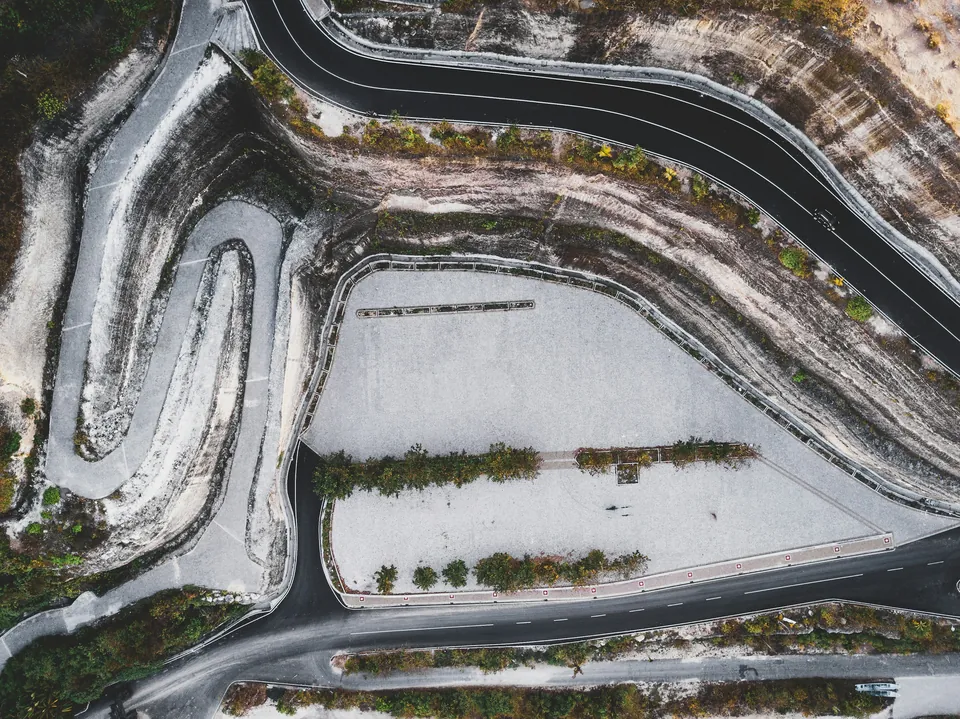
Access and transport are part of a material pathway. A route assessment asks about distance, constraints and custody; the road in this photograph establishes none of those for a proposed project.
Request: a documented origin-to-destination chain.
03Material supply also has a landscape and access context.Source calls this a quarry road. Location, mineral, operating status and transport function are not independently verified. Not a vanadium project or endorsed site.Ivan Bandura / Unsplash (opens a new tab)
01.4 / Evidence question
Read beyond the boundary
Land, water and nearby infrastructure belong in an assessment alongside composition. Permits, local obligations and environmental evidence are specific to a real site and must be checked independently.
Request: the site boundary, applicable permissions and supporting studies.
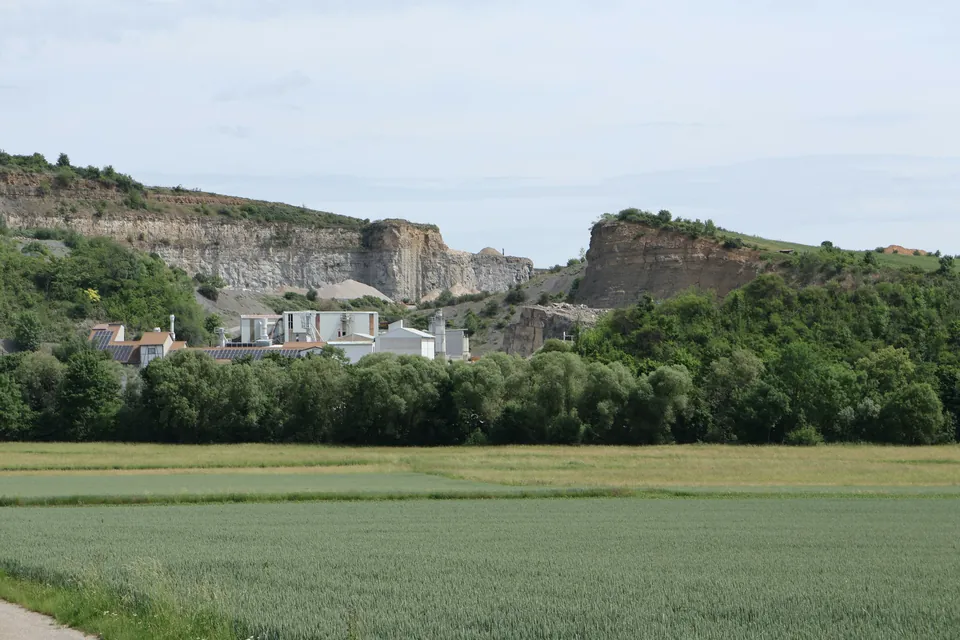
04Consider extraction in its wider landscape.General quarry landscape. Do not claim a vanadium deposit, current project, site ownership, alliance affiliation, performance or environmental compliance.Laurenz Kruty / Unsplash (opens a new tab)
01.5 / Evidence question
Specify the end use
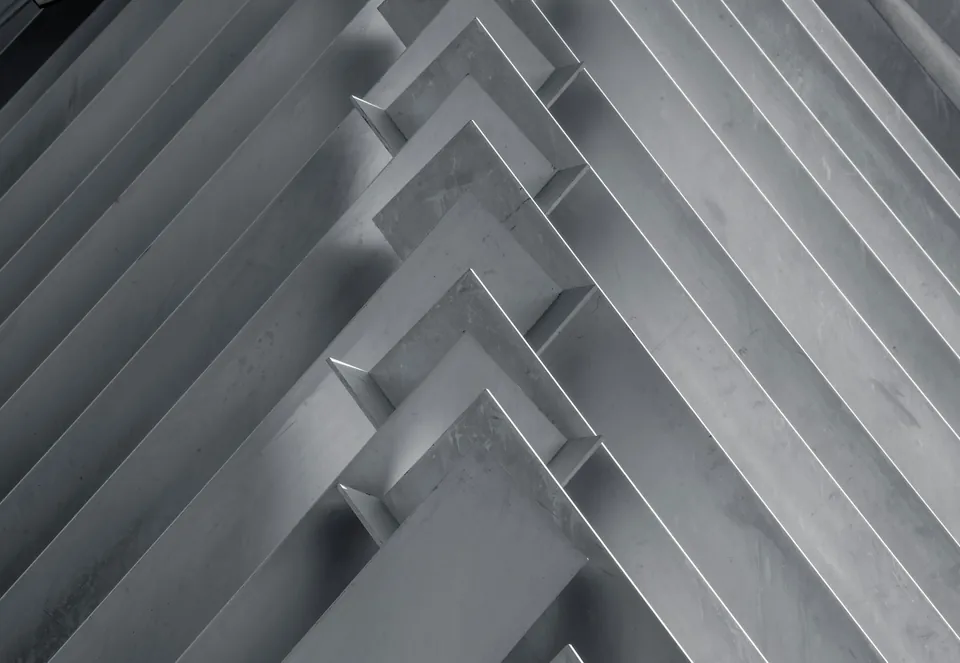
Vanadium can contribute to strengthening in steel through microalloying, but the result depends on chemistry and processing. A surface image is not an alloy certificate or evidence of a production batch.
Request: the grade, intended application and acceptance criteria.
05Appearance is not a material specification.The source title calls these stacked metal sheets, but the geometry could be installed metalwork. Caption only the visible metal surfaces. Do not label an alloy, vanadium content, production batch or stock inventory.Cokile Ceoi / Unsplash (opens a new tab)
Take the question forward
Make the unknowns visible.
A useful brief distinguishes facts, assumptions and evidence that still needs to be gathered. The local worksheet provides a starting structure, not a technical approval.