Recovery is a documented pathway, not a circular arrow. Composition, condition, custody and an accepted destination matter at every step.
01What is in the stream?02Who takes responsibility?03Where does it go?
Grounding the discussion
The photographs in this section show general handling and logistics. None establishes vanadium content, an electrolyte-recovery process, a recovery yield or a recycling contract.
All photographs below are general illustrative contexts. They do not depict verified vanadium materials, flow batteries or alliance projects.
06.1 / Evidence question
Collection is a starting point
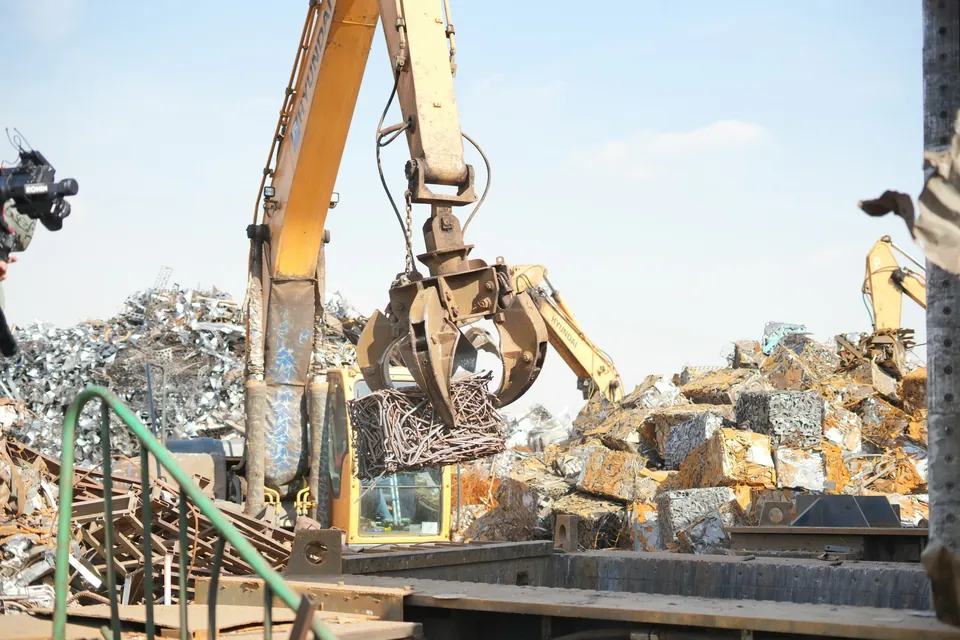
A grab moving mixed scrap shows collection, not final recovery. Any claim about recovered material needs to follow the stream through sorting, treatment and an actual receiving process.
Request: material characterization and a documented downstream pathway.
26Collection is only the beginning of a recovery pathway.Generic scrap handling. Material composition, recovery rate, safe procedure and final destination are unverified. Not proof of vanadium recovery, battery recycling or a closed loop.yasin hemmati / Unsplash (opens a new tab)
06.2 / Evidence question
Mixed streams need characterization
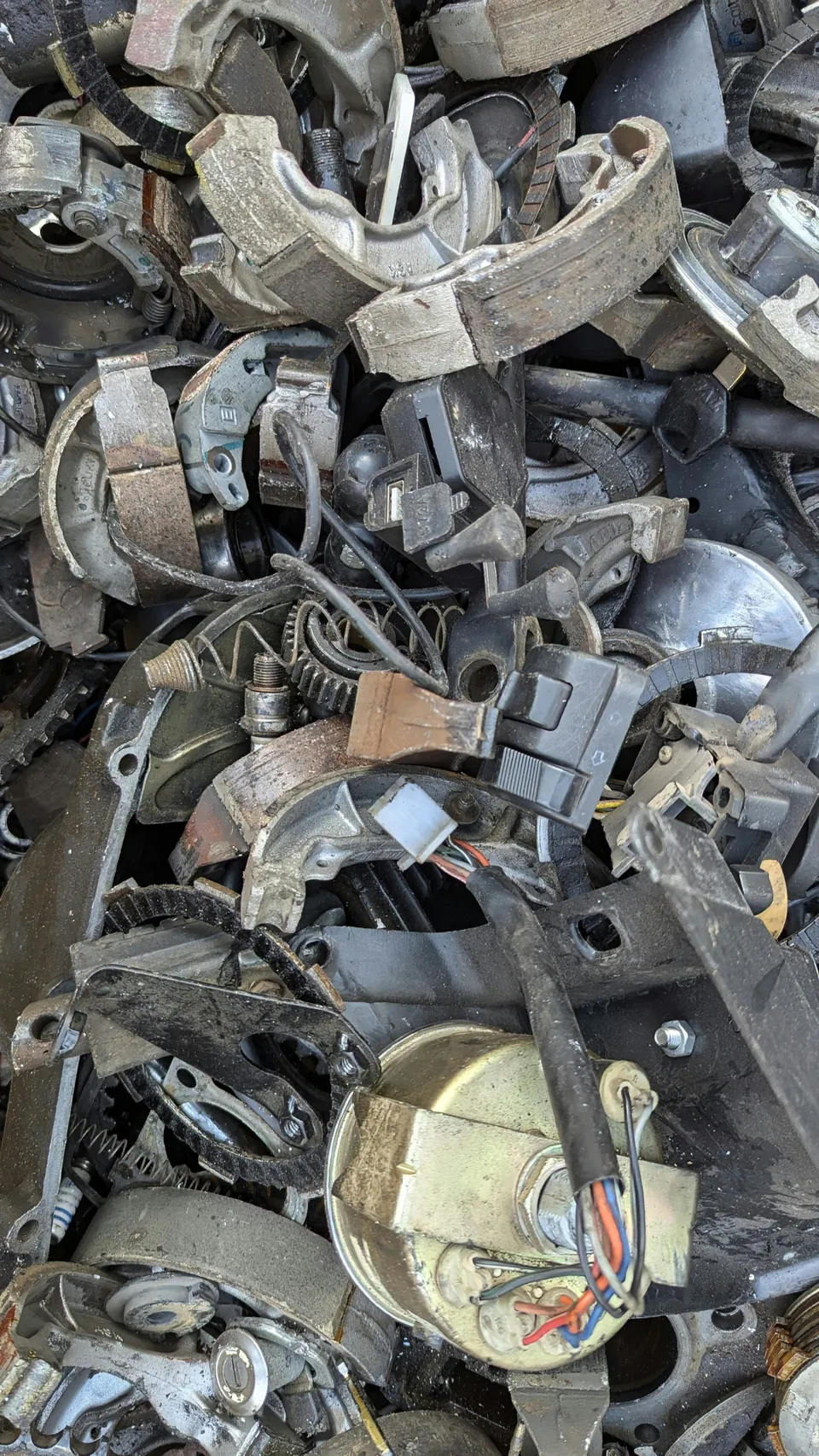
Different parts may bring different materials and contaminants. Before considering recovery, establish composition and what the receiving process can accept. These are not verified vanadium-bearing components.
Request: a representative characterization and processor acceptance criteria.
27A mixed stream needs characterization before it can support a claim.Mixed scrap or old parts. Not identified vanadium-bearing feedstock, battery material or certified recovered metal. No recovery yield or circularity claim.Karthik Srinivas / Unsplash (opens a new tab)
06.3 / Evidence question
Reuse requires a plan
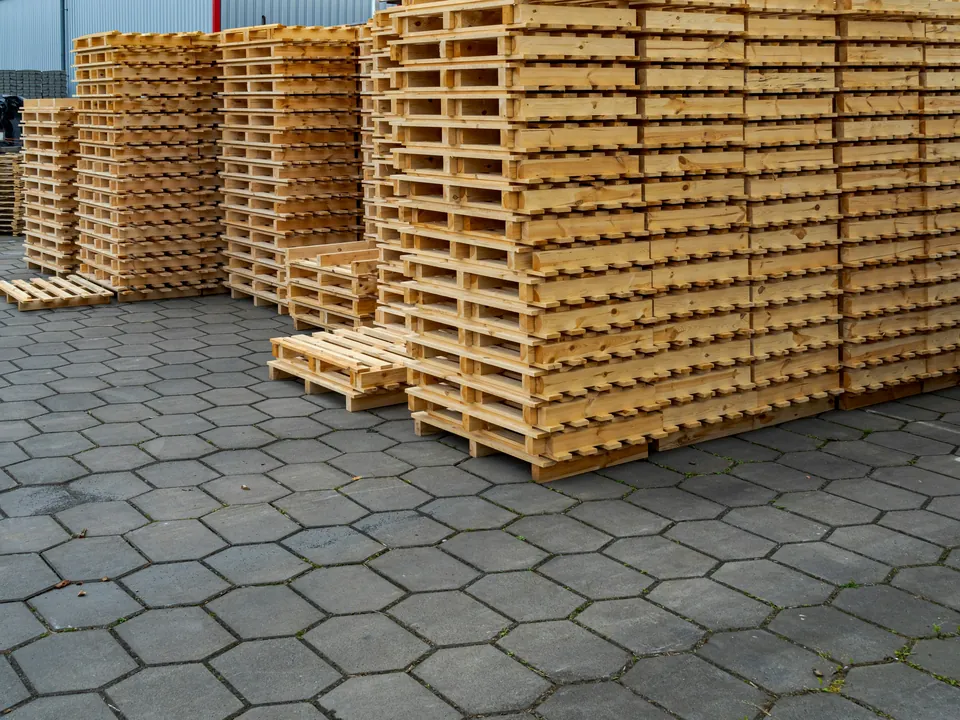
Pallets can illustrate the handling questions around reuse. A credible program would specify inspection, repairs, return arrangements and responsibilities. This photograph proves none of those arrangements.
Request: condition standards and documented handling responsibilities.
28Reusable handling equipment belongs in the logistics plan.Pallets illustrate handling and potential reuse, not a verified reuse program. No certification, ownership, return rate, shipment contents or alliance relationship is established.Sergej ***** / Unsplash (opens a new tab)
06.4 / Evidence question
Condition affects the assessment
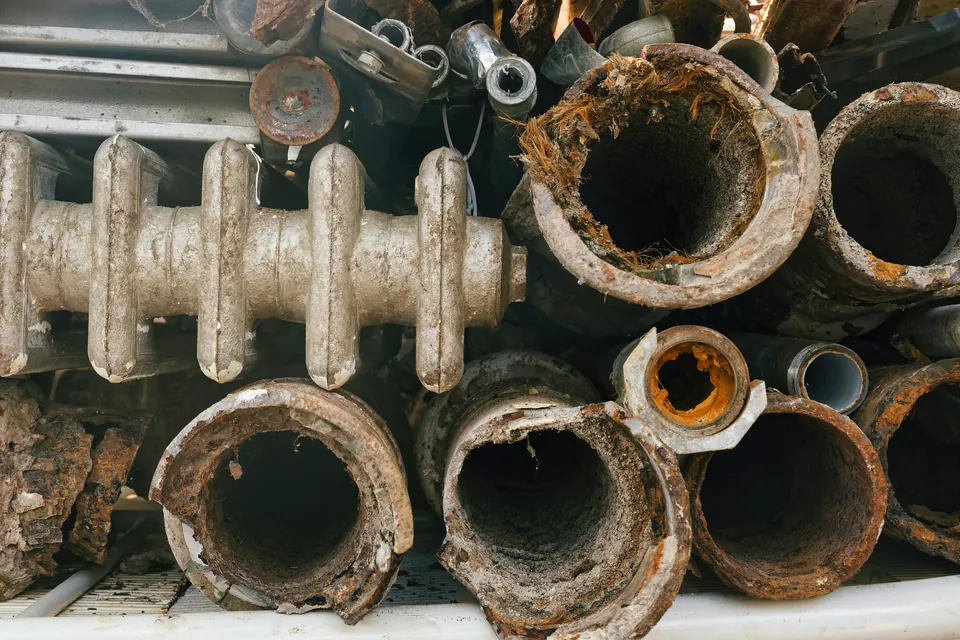
Corrosion and residues make identification and separation important. An image is not a safety assessment or proof that a part can be reused. Appropriate specialists must assess actual material.
Request: inspection, contaminant information and a qualified handling assessment.
29Condition and contamination shape recovery options.Corroded mixed metal. No alloy identity, safe handling status, contaminant analysis, usable condition or vanadium content is established.Eric Prouzet / Unsplash (opens a new tab)
06.5 / Evidence question
Custody needs a destination
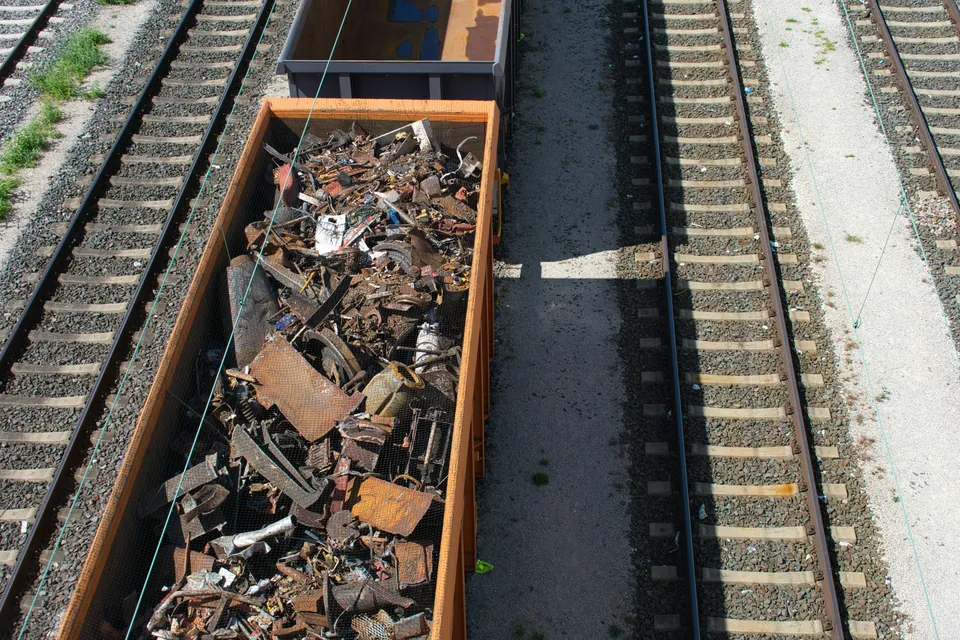
A rail wagon illustrates material movement, not an authorized shipment or recycling contract. A traceable pathway records sender, receiver, material description and acceptance.
Request: custody records, transport requirements and destination acceptance.
30Material movement needs a documented destination.Illustrative scrap freight. Do not claim ownership, route, delivery, a recycling contract, processing destination or any battery/vanadium recovery program.Zed Can / Unsplash (opens a new tab)
Take the question forward
Make the unknowns visible.
A useful brief distinguishes facts, assumptions and evidence that still needs to be gathered. The local worksheet provides a starting structure, not a technical approval.